Community Migrant Resource Centre
PATHWAYS TO RECOVERY
The Community Migrant Resource Centre's (CMRC) ‘Pathways to Recovery’ project is part of the NSW government's broader 'Responses Matter' program.The aim of this important initiative is both clear and nuanced -to support women from migrant and refugee backgrounds when they
first disclose an experience or incident of sexual violence or trauma.The initiative acknowledges that non-specialist community service providers often have an important role to play as first responders.It also acknowledges that communities, as a whole, can play critical roles in a person's journey from victim to survivor to overcomer.While there is no single 'best way', we can all work towards enhancing cultural and psychological safety for migrant and refugee victim survivors.This 'holding page' contains key resources and results from this timely project.
RESOURCES for discussions
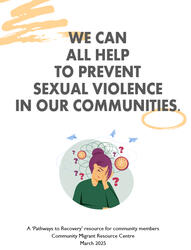
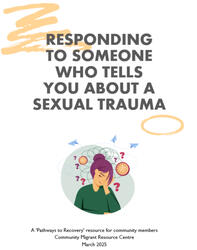
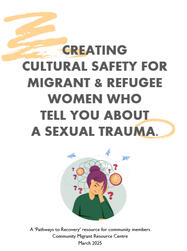
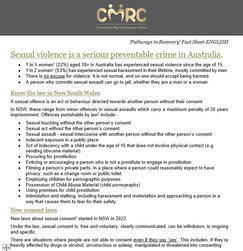
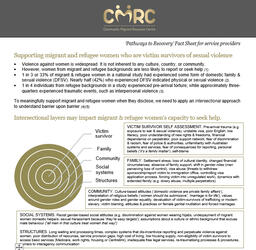
PLEASE CLICK ON THE IMAGES ABOVE TO VIEW OR DOWNLOAD CMRC RESOURCES(Includes 3x A5 booklet versions that can be printed
back-to-back using two A4 sheets per booklet).If the PDF document does not appear on first click,
simply repeat pressing ENTER on the linked page, thank you.HAVE ANY FEEDBACK ABOUT THE RESOURCES?
Please email; your feedback is important to us.
PROJECT OUTCOMES
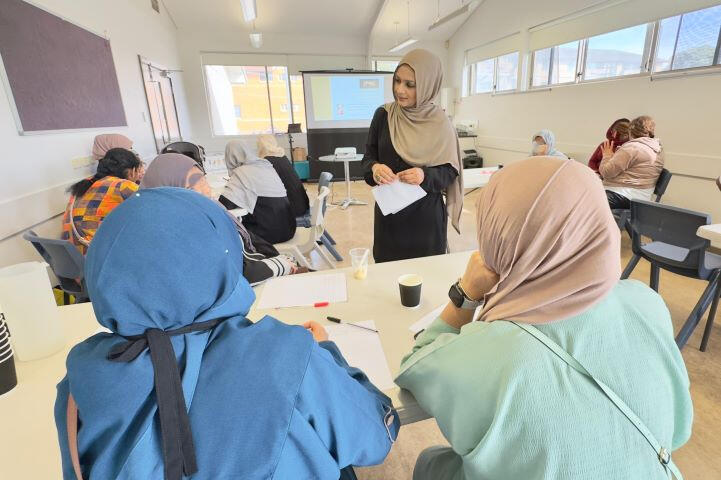
The project's timeframe is July 2024 to June 2025.10 CMRC multilingual cultural advisors worked with
at least 12 diverse communities:Afghan, Ukrainian, Persian, Indonesian, Tamil, Sri Lankan Tamil, Nepalese, other South Asian, Arabic, Islamic, Pacific Islanders, Korean.ACTIVITIES HELDCo-design and consultation
25 sessions with multilingual community leaders
6 group conversations with social service providersCommunity education
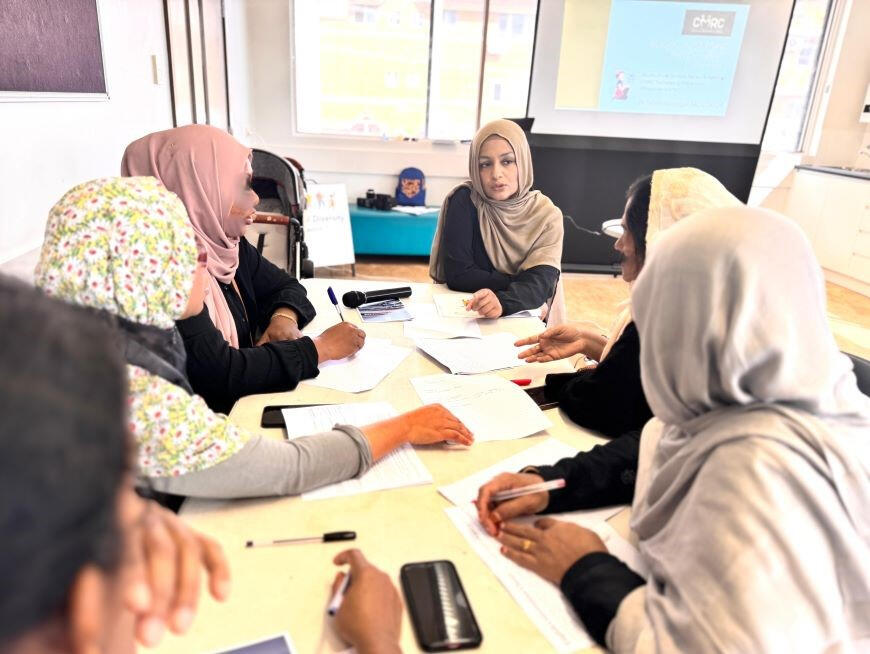
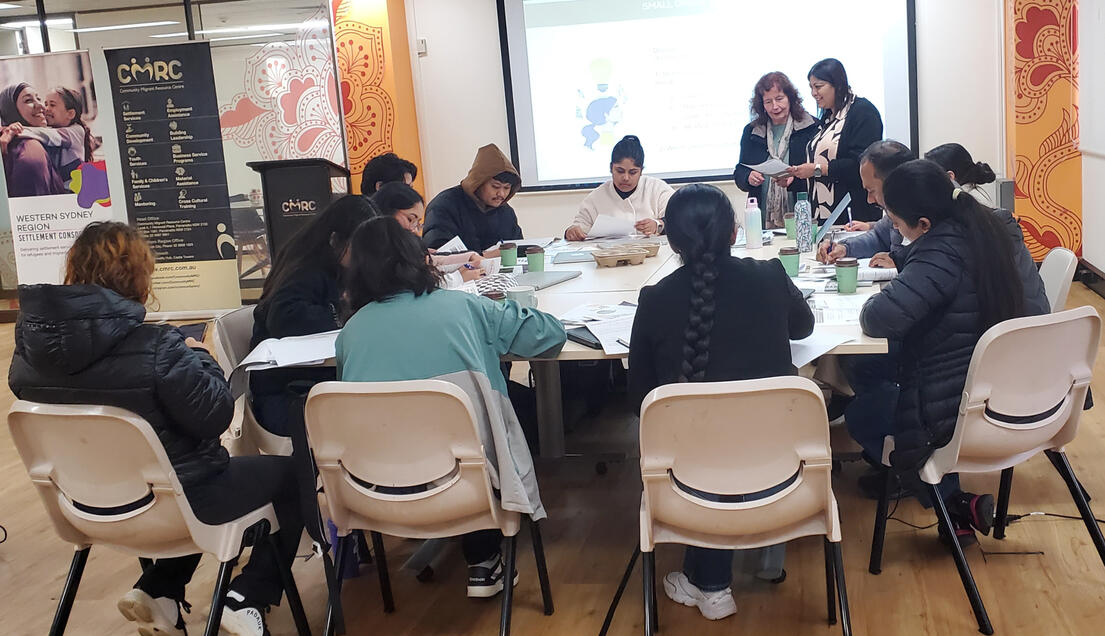
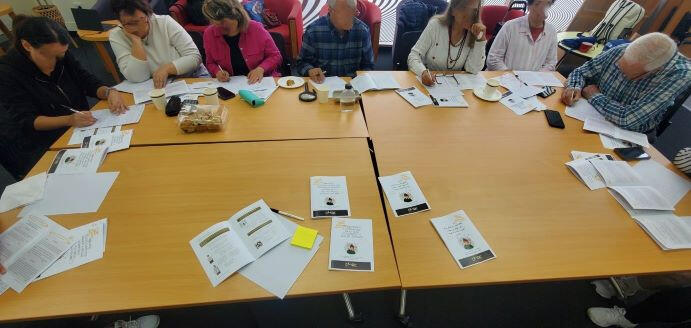
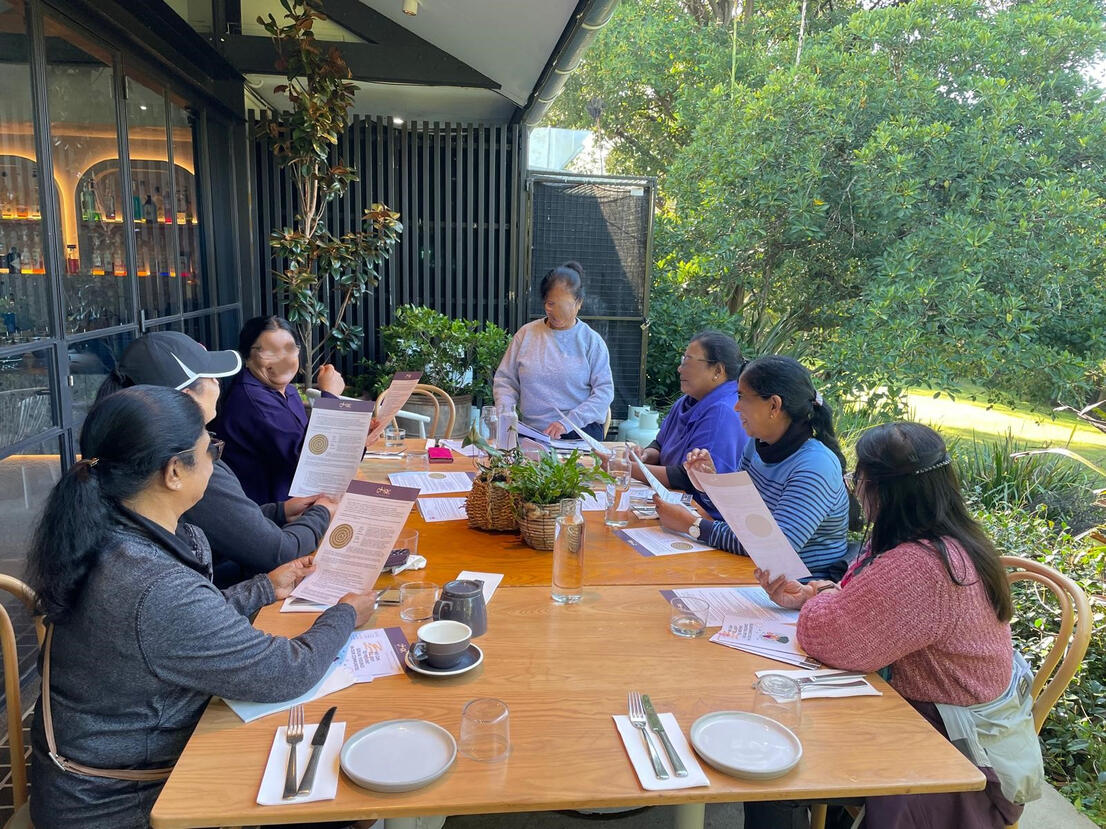
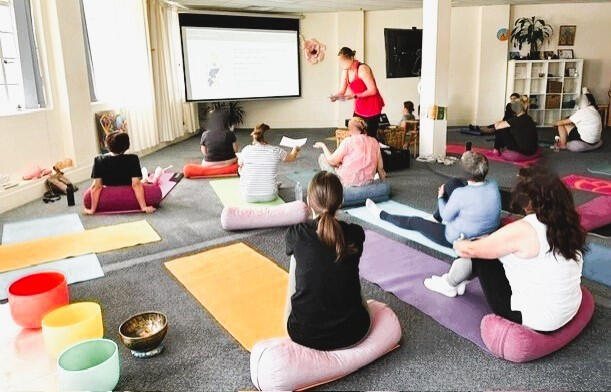
10 group learning sessions
32 individual conversationsLearning groups with service providers
11 sessions/group conversations1,028 total attendance
plus over 1,000 reached via local community radioRESOURCES3 booklets + 2 fact sheets developed as conversation guides
8 community storiesPlease see 'Translations' page for language versions.OUTCOMESMeasurable increased knowledge and confidence among participants in-*identifying sexual and intimate partner violence,
and behaviours that are punishable under Australian law;*responding appropriately when someone discloses an unwanted sexual contact and/or trauma;*creating cultural safety for victim survivors who are looking to access services;*sexual violence prevention and bystander intervention strategies.
SOME FEEDBACK
"All three booklets are effective and will be highly beneficial
to our participation in the next phase."
- BILINGUAL CASEWORK AND COMMUNITY DEVELOPMENT WORKER"Participants said they would now be more mindful of seeking interpreter services, listening without bias, and avoiding unconscious prejudice. Some noted they would tailor their responses based on the individual's concerns—such as worries about visa or residency status—and respect survivors’ choices on whether or not to report the perpetrator. Others expressed a commitment to being more open, emotionally present, and providing practical information on legal and financial support options."
- BILINGUAL SESSION FACILITATOR"We had over 30 people attending, representing various organisations. I have also received very positive feedback after the meeting from those attending saying that the meeting has been very informative and fruitful."
- CONVENOR OF A MULTICULTURAL SERVICES NETWORK IN
WESTERN SYDNEY
TRANSLATED RESOURCES
CMRC 'PATHWAYS TO RECOVERY'Note: If the PDF document does not appear on first click,
simply repeat pressing ENTER on the linked page, thank you.KOREAN- Responding to someone who tells you about a sexual traumaKOREAN- We can all help prevent sexual violence in our communitiesKOREAN - Creating cultural safety for migrant and refugee women who tell you about a sexual traumaFARSI- Responding to someone who tells you about a sexual traumaFARSI-We can all help prevent sexual violence in our communitiesFARSI-Creating cultural safety for migrant and refugee women who tell you about a sexual traumaAustralian Government 'Family Safety Pack' in 46 LANGUAGES Australian laws regarding domestic and family violence, sexual assault and forced marriage, and a woman’s right to be safe.The pack includes eight factsheets on the following topics:domestic and family violence
sexual assault
forced and early marriage
family violence and partner visas
dowry abuse
female genital mutilation/cutting
LGBTIQ relationships
trafficking and slaverySexual Consent in Your Language, NSW GovernmentCoercive Control in 19 languages, NSW GovernmentSexual Assault Resource Centre, WA
'After a Sexual Assault' for ARABIC, CHINESE, INDONESIAN, MALAYSIAN, SWAHILI speakersrespect.gov.au
Conversation Guides in 12 LANGUAGESCoercive Control, WA
Resources and information in 32 LANGUAGESBreak the Cycle, SA
Domestic, family and sexual violence fact sheets in 25 LANGUAGESSafe + Equal, VIC
'Are you safe at home?' resources in 16 LANGUAGESWomen's Safety Hub
ARABIC- 'Gender-Based Violence'CHINESE (SIMPLIFIED) - 'Gender-Based Violence'CHINESE (TRADITIONAL) - 'Gender-Based Violence'PUNJABI-'Gender-Based Violence'SWAHILI-'Gender-Based Violence'VIETNAMESE-'Gender-Based Violence'Ishar Multicultural Women's Health Services
Family & Domestic Violence Information Booklets and Safety Plans- ARABIC, CHINESE, HINDI, ENGLISHWomen's Legal Service QLD
Fact Sheets in Eight (8) LanguagesEasy English
About Family Violence-Women's Legal Centre ACT
Are you safe at home?
KEY RESOURCES
1800 RESPECT 'Sexual Violence''Domestic and family violence and your visa', Australian Government Department of Home Affairs'Family, domestic and sexual violence', Australian Institute of Health and WelfareImmigration and Domestic Violence, Immigration Advice and Rights CentreIntimate partner violence in Australian refugee communities, El-Murr A., AIFS 2018Migrant and refugee women’s attitudes, experiences and responses to sexual harassment in the workplace, Segrave, M. et al, ANROWS 2024Preventing violence against migrant and refugee womenSafety PlanningSexual Consent (Easy Read), NSW GovernmentSexual Consent in Your Language, NSW GovernmentViolence and the law
STORIES
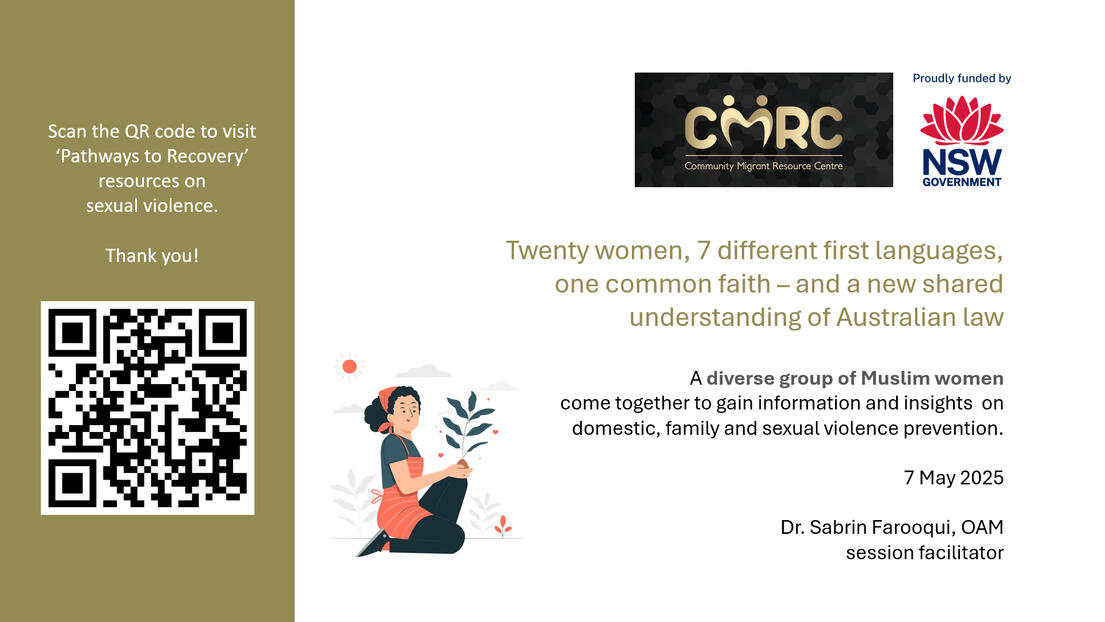
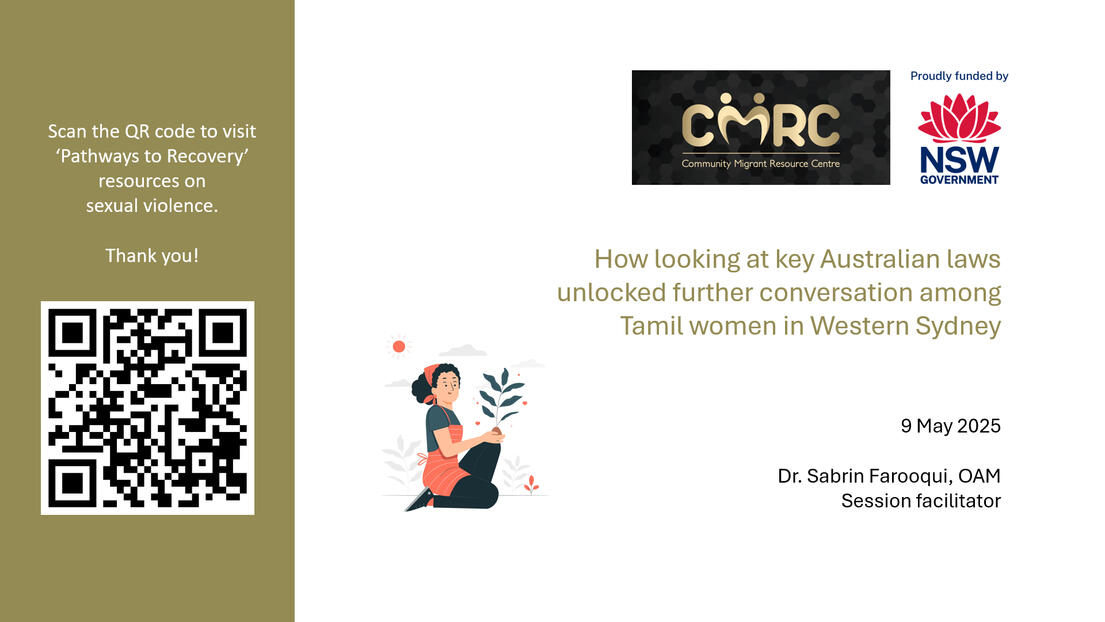
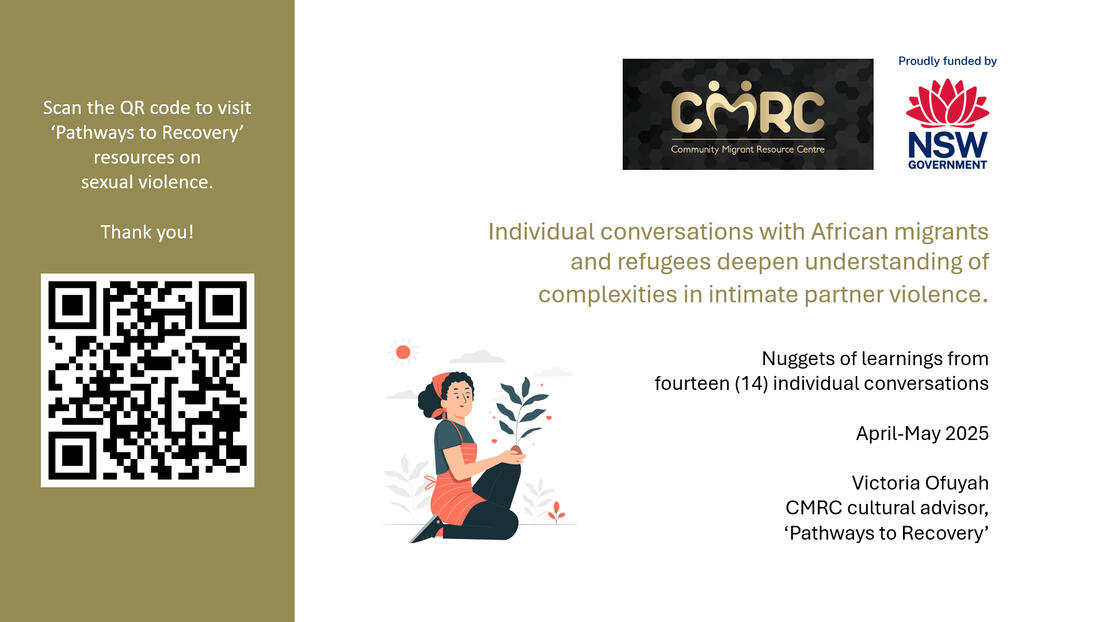
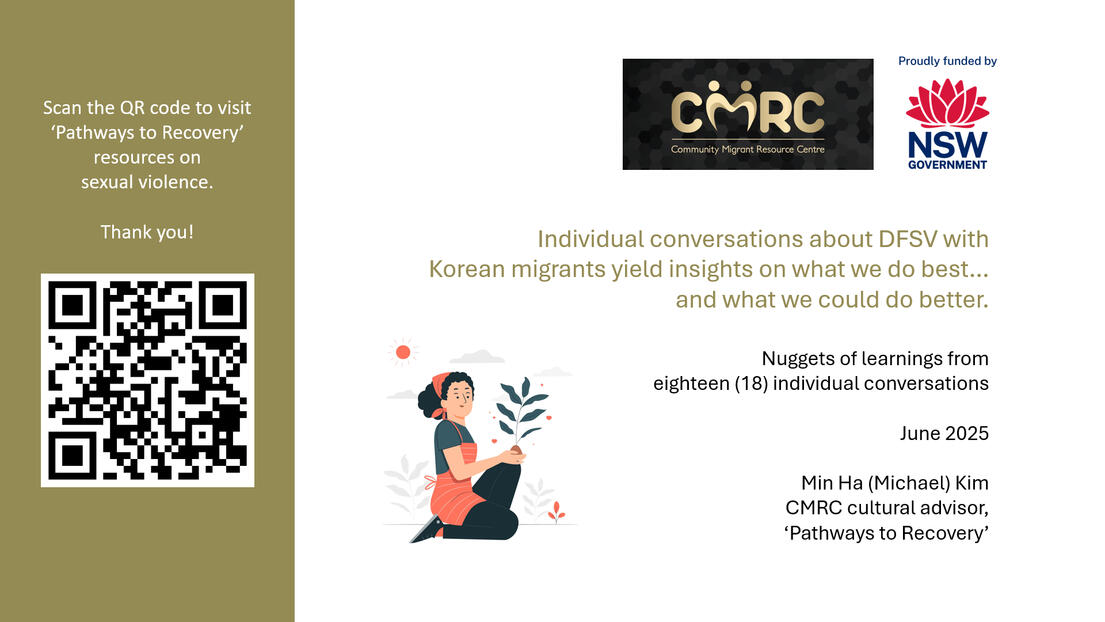
PLEASE CLICK ON THE IMAGES BELOW TO READ STORIES OF CMRC COMMUNITY CONVERSATIONS ON SEXUAL VIOLENCE.If the PDF document does not appear on first click,
simply repeat pressing ENTER on the linked page, thank you.-Watch this space for more stories-